

Undeniably and irredeemably hideous.
Ez, 1912
And may I come speedily to Béziers
Whither my desire and my dream have preceded me
Ez, Marvoil
Of course I had already spent nearly a month here when I arrived, but I pretended, in one of the lesser pretences of the whole trip, that she was new as I approached. Béziers is squat, well-built, Spanish. A doorman, or perhaps his wife. Old Ez hates it, sandwiched as it was between a town he liked, Narbonne, and one that he loved, Agde. Sheer heat the enemy, the irregular semi-versified lines he gives it are some of his most unfair; the city is self-contained and of a high overall quality, without the washed-up desert air of Narbonne or the tourist grind of Arles and Carcassonne. Taken with the nearby towns of Pézenas and Agde, it really lacks nothing the larger southern cities have; Pound attacks Toulouse for being a provincial trap but Béziers isn’t quite big enough to do this, and instead makes a sincere effort to be worthwhile without metropolitan pretences.
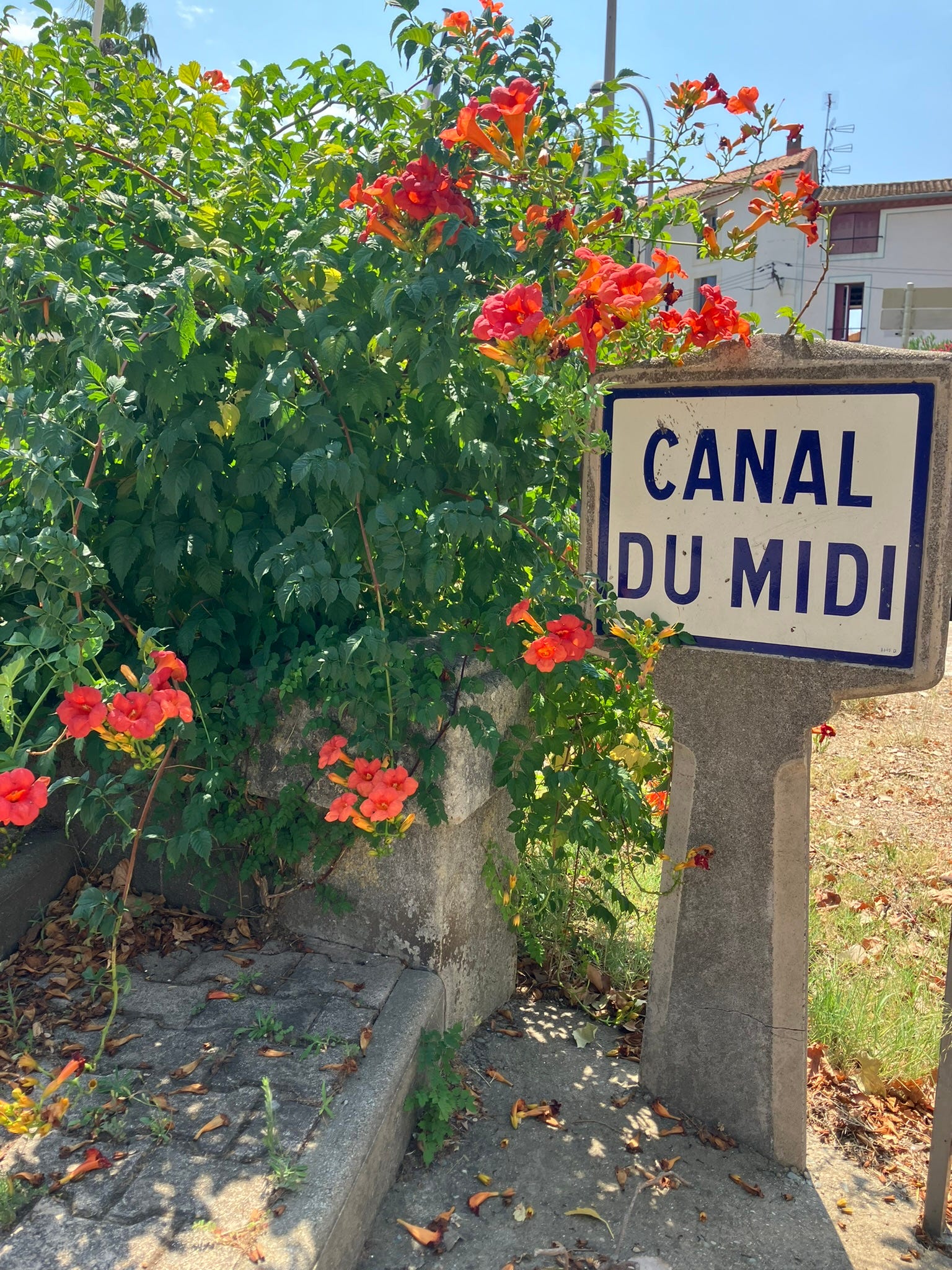
Eclipsed by Narbonne during the Roman period, more recently by Montpellier, Béziers has a reasonable claim to having been the mysterious Rhode that was the main Greek colony west of the Rhone, possibly giving that river its name. Recent archaeological evidence indicates Béziers could be the oldest city in France, though it lay fallow for three centuries after Celts destroyed the original Phocean settlement, the site eventually resettled by retirees of the seventh legion under Caesar. The city was Christianised in the 3ʳᵈ century, Saint Ambrose its first bishop, and showed an early propensity to heresy, with a council of Arian bishops in 559, a creed enforced by the Visigoths, stubbornly resisting failed attempts at conquest by Clovis’ Frankish Catholics. Between 725 and the arrival of Charles Martel in 757, the city was controlled by Saracens.
Béziers was an important court pre-crusade, with Arnaut de Maruèlh lamenting the presence of King Alfonso II of Aragon where his (unrequited) lover Azalais lived. Roger II Trencavel, considered by some a Cathar convert, held court there, and his son, also an alleged Cathar, succeeded him and fought against Montfort in the crusade. The family’s relationship with Béziers was strained, with Raimon I Trencavel (Roger II’s father) allowing a Spanish army to murder all of the city’s male citizens, then forcibly marrying the surviving women to the soldiers. In revenge, the remaining townsmen assassinated him in the Magdalen church, the same one the crusaders would later turn into a charnel house. One of his murderers became a hermit and was beatified.
The Trencavels, alongside the Count of Foix, are some of the most likely noble converts to Catharism, tolerating the presence of numerous parfaits at their court. The minimising explanation is that Raimon V (Toulouse) overplayed the heretical leanings of the Trencavels, a permanent thorn in his side, when he suicidally requested outside assistance for the problem from the northern Church. The strategy was part of an attempt to curry favour with the Cistercians while humbling a local rival, and contributed to a reputation that later neutralised any attempt by the family, and the wider region, to salvage their orthodox credentials. I prefer to assume they were in fact croyants. It is also very likely some of the ‘Toulouse calls for assistance against heresy’ documents, nominally from pre-crusade years, are later forgeries; someone with more time and patience than I could check the dates of manuscript copies to see if this is credible.
The sack of Béziers is probably the city’s most renowned moment, and everyone knows the story, or at least a quip from it: Kill them all, God will recognise his own. On the 22nd of July 1209 de Montfort’s crusader army surrounded the city, which Raimon II Trencavel had already fled. A poorly organised defence (according to contemporary legend, the Biterrois were so stupid that each time their city was attacked they would all flee the city and run in circles around the walls – their reputation has not really changed) left the town sheltering inside St. Madeleine’s, where they had murdered their lord 50 years prior. Arnaud Amalric, the papal legate directing the operation, may or may not have then said tuez-les tous, but the result was the same either way.
The majority (overwhelming Catholic – Cathar population estimates are all nonsense, but it was at most 20% and more likely closer to 5%) of the city was massacred. The letters of Innocent III give 20,000 killed without regard to age or sex, who had no real motive to inflate the death toll and would not have been pleased by it.
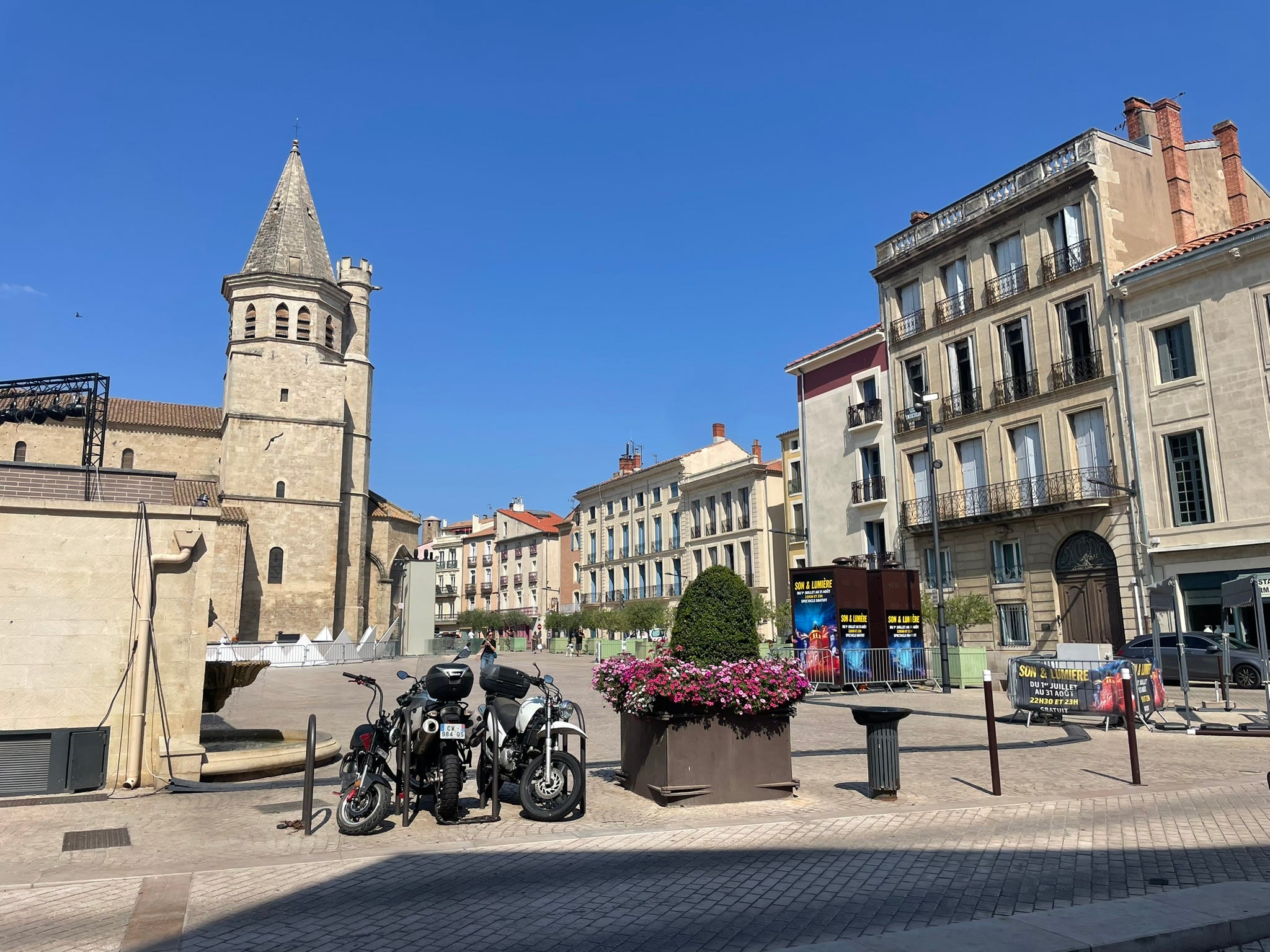
Even so, the city survived the destruction and seizure of its lands by de Montfort, with the late 13th century Biterrois Matfre Ermengau producing a 20,000-line Breviari d'Amor, only tolerable in extracts, with amusing but formulaic attacks on excess in the post-sack city. A Gaucelm of Béziers even wrote a plaint on the death of King Louis - Ab grans trebalhs et ab grans marrimens, so at least some of the survivors eventually ‘came round’. It is entirely possible the Trencavel faction was more disliked than distant French rule, and probable they shared blame for the sack alongside the crusaders. On news of the crusade’s arrival in Montpellier, Raymond Trencavel fled to Carcassonne, bringing with him all of the city’s Jews. Pompous self-sacrifice wasn’t part of the Occitan cortezia.
Earlier, in the high period, it was a stopping-place, a target court for patronage, but the city itself has not produced a major troubadour, or indeed a major anything, it still wears a comfortable cloak of anonymity. Opposite the town hall there is a café with a parrot that sings the Marseillaise; outside of the city Béziers reputation remains poor – their ‘twin town’ is Stockport – though it is gradually improving, the city’s airport a convenient staging ground for nearby beach resorts and the Paul Riquet boulevard charming.
Some more unwanted history: Béziers became rich off of wine in the 19ᵗʰ century, and by 1900 was responsible for over 50% of total production in the midi; a whole array of aggressively tasteless ‘chateaux’ date from the period, as does the Haussmann-inspired city centre. You can buy its three to five euro bottles under the Pays d’Oc appellation. Diseased vines and unrest, the city rioting during the wine-growers’ revolt in 1907, marred the turn of the century, pushing large numbers from the city to Algeria, from where they would not return until the 1960s.
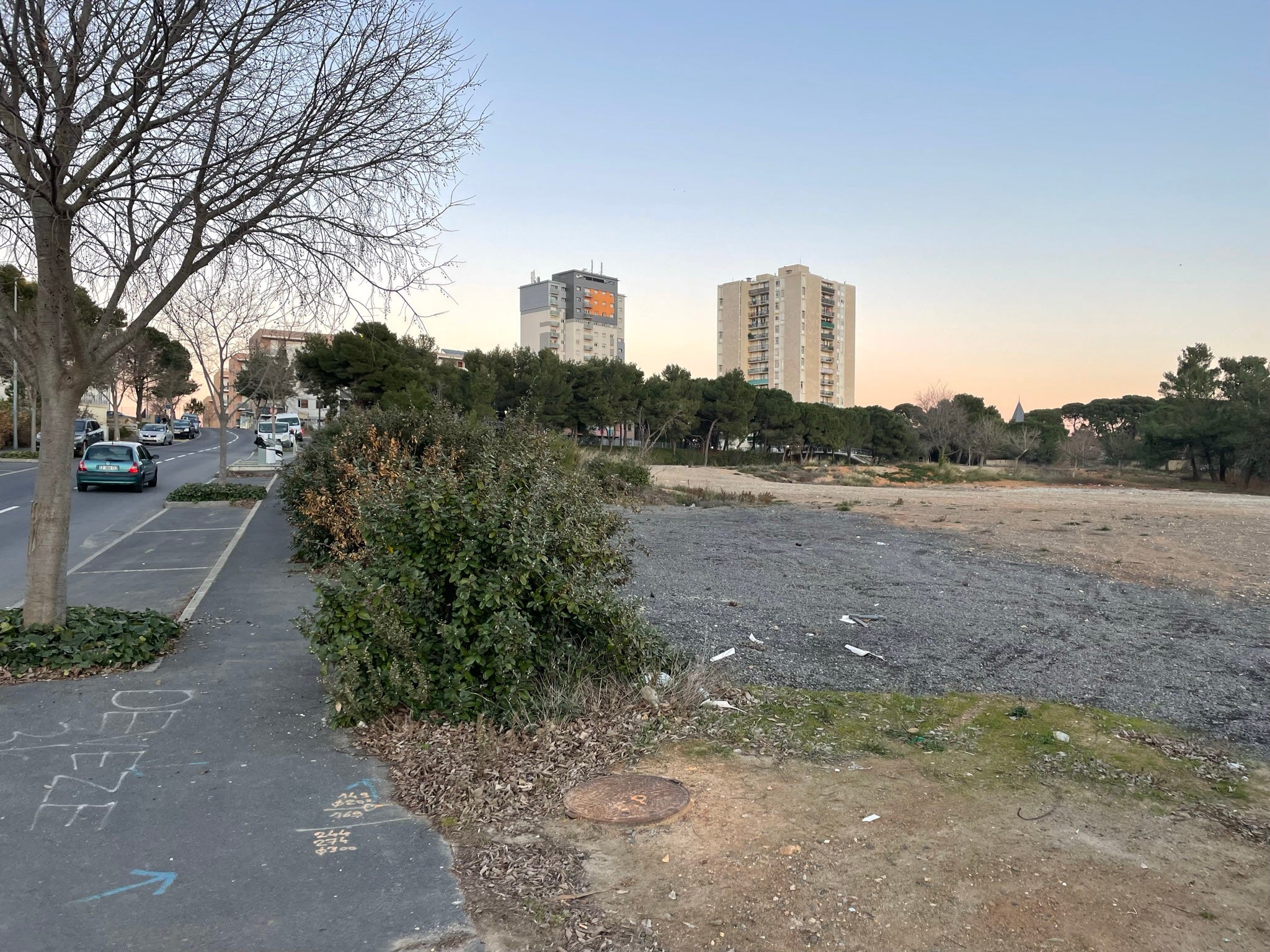
Despite this, industry continued to grow, and eventually morphed into a burgeoning chemical sector that the now famous mayor Robert Menard spent his early Trotskyist years trying to close down, without success. Since becoming mayor in 2014 on a Front National-supported ticket, he has drawn ire for measures to reduce crime and demolish slum areas of social housing in the suburbs; the city does not really suffer from worse problems than Avignon, Nimes, or Montpellier, but seems hyper-aware of them. Comically, the city maintains a DNA database of dog owners and tests un-scooped poop, a measure the rest of France could learn from.
Ezra Pound was not interested in any of this, even the bits that had already happened. He pointed out the town has all the inconveniences of both modern and mediaeval life; a thought that probably forced itself upon him as he realised how steep the hill to the city centre is. There is strong reason to believe he never made it into the city proper, which was his loss; the walk is bracing, the city a key hub for the social world of the troubadours. Baedeker is full of praise for Béziers, raising suspicions of an element of contrarianism in Pound’s response, but Pound is also a vehement advocate for the southern in architecture and attacks any provincial cities that try to look like Paris.
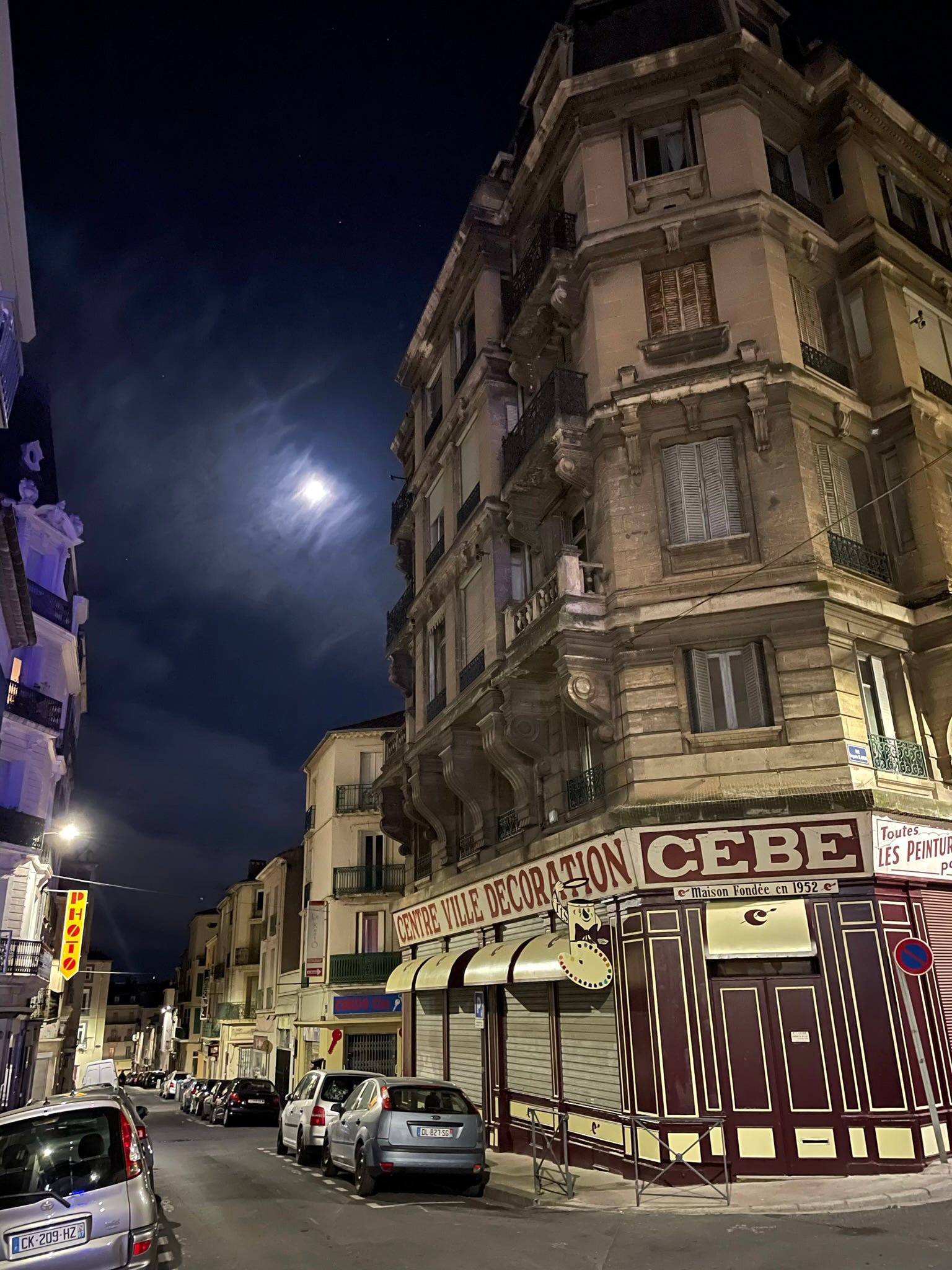
Pound arrived by bus, which deposited him somewhere near the station, possibly the demolished Gare du Nord, occupied today by a satellite of the University of Montpellier (Paul Valery). The city centre is unchanged if dilapidated beyond this – growth since 1912 has taken place in large suburbs that did not exist for Pound. If he arrived at the northern station, Pound would have walked down an arterial road, past the fountain at the back of the municipal theatre, and through the narrow mediaeval streets to the Magdeline church, before making his way to the river and canal, which he continues down to Agde. Pound shows us the one point of possible interest, but alas, [illegible]. I have spent three months in the city and could not make an educated guess what he meant; maybe it was the ruins of the arena, but they are barely visible now and I suspect completely buried then.
Given the lack of detail outside of insults, it is probable Ez arrived at the main station, and therefore never went up into the city itself – his description focuses on the highly visible fortified cathedral, and describes from a distance. Béziers station on a hot day is as horrible now as it doubtless was then, the river Orb – its one extenuation, pretty but liable to flooding, with rat poison handed out for free in the Martin Luther King Memorial School that graces a little slum area by the river. A strong place, undoubtedly, its vicomte a man of some importance. And I suppose that still holds true.
Arnaut de Maruèlh is the best known troubadour of Béziers, though he was born in Perigord; his vida goes:
Arnautz de Maruoill si fo de l’evescat de Peiregos, d’un chastel qui a nom Maruoill, e fon clergues de paubra generation. E car el non podia viure per las soas letras, el s’en anet per lo mon. E sabia ben trobar. Et entendet se en la comtessa de Burlatz, q’era filla del pro comte Raimon, moiller del vescomte de Beders, que avia nom Taillafer. Et aqest N’Arnautz era avinens hom de la persona. e cantava trop ben e ligia romans. E la comtessa li fazia grans bens e grans honors. Et el s’enamoret en lieis e·n fazia sas chanssos, mas non lo ausava dir ni a negun q’el las agues faitas, anz dizia q’autre las fazia. E si avenc q’amors lo forsset tant qez el fetz una chansson d’ella, la cals comenssa: «La franca captenenssa qu’eu non puosc oblidar». Et en aquesta chansson el li descobric l’amor q’el l’avia. E la comtessa no·l esquivet, anz entendet sos precs e·ls receup e·ls grazi. E garnic lo de grans arnes e·il fetz grand honor e grand plazer, e det li baldessa e confort de trobar e de chantar d’ella. E tant qez el venc honratz hom e valens de cort, don el si fetz maintas bonas chanssos de la comtessa, en las cals chanssos el mostret cum el en ac de grans bens e de grans mals.
Arnautz de Maruoill was from the bishopric of Perigord, of a castle named Maruoill, and was a cleric of low birth. And because he could not live by letters, he went out to the world. And he knew well trobar. And he heard of the countess of Burlatz, who was daughter of the good count Raimon [of Toulouse], wife of the vicomte of Béziers, who was named Taillafer. And this Arnautz was a fine man. And he sang very well and told stories [possibly read letters]. And the countess treated him well with great honours. And he fell in love with her and made songs for her, but did not dare tell anyone he had made them, and said that they were made by someone else. And so it came to be that love forced him to write a song for her, one beginning La franca captenenssa qu’eu non puosc oblidar, and in this song he revealed his love for her. And the countess did not avoid him, but listened to his pleas, and received him and thanked him. And she garnished him with fine clothes and did him great honours and pleased him greatly, for the courage and sweetness of his singing to her. And after that he became an honoured man, valued in court, so he made many fine songs of the countess, and in these songs he showed how he had received both great good and great evil from her.
The Troubadours at Home gives us a detailed description, slightly fanciful, or Arnaut’s love life; his failed attempts to woo Azailas and so on (Amfos intervenes on his return from Barcelona and he is dismissed from the lady’s service, leading to his final wasting), then a lurid one of the sack, full of vaguely Protestant enthusiasms ill-set next to excitement about ‘the contrasts of the age’. It appears the vida grossly overstates Arnaut’s success, but this is a promotional material dating long after the poems were written (I do not believe this). A razo tells us Arnaut was sent to Lord Guilhem in Montpellier after being ejected from Azalais’ presence (in this instance by her husband, with Amfos unmentioned), who was his amic and senher, and he continued to make many good songs. This seems more likely than the romantic wasting, but is perhaps the lesser story. In any account, Madame Burlatz comes out quite poorly.
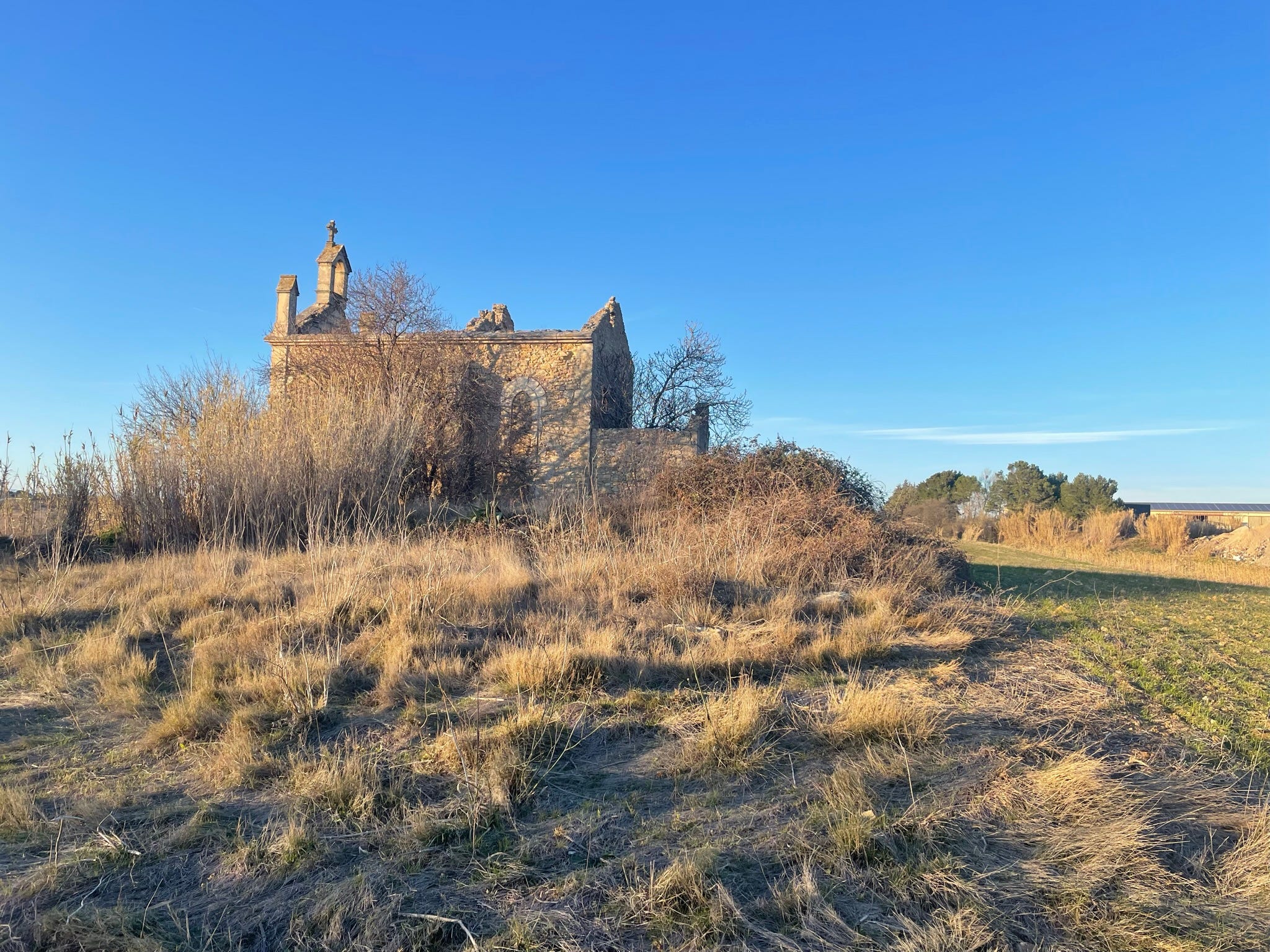
I will wrap up this section by saying once more that Béziers, twin city of Stockport, Greater Manchester, is a great city. Béziers was a clasp in the belt of the troubadour territory and is now a fine place in its own right, with its own proper virtu, quite free of the insufferabilities of Montpellier. Finally you can live there – and well – for a few hundred euros a month, and unlike almost every other southern city, it is not swamped with tourists. There is no valid reason for that last observation: expect it to change quickly.