Flawless as Aphrodite,
Thoroughly beautiful,
Brainless,
The faint odor of your patchouli,
Faint, almost, as the lines of cruelty about your chin,
Assails me, and concerns me almost as little.
Ezra Pound, Ladies, 1915
The bitterness is covered but not buried…
The bright eye let me never be parted from it
C. H. Sisson, In Arles
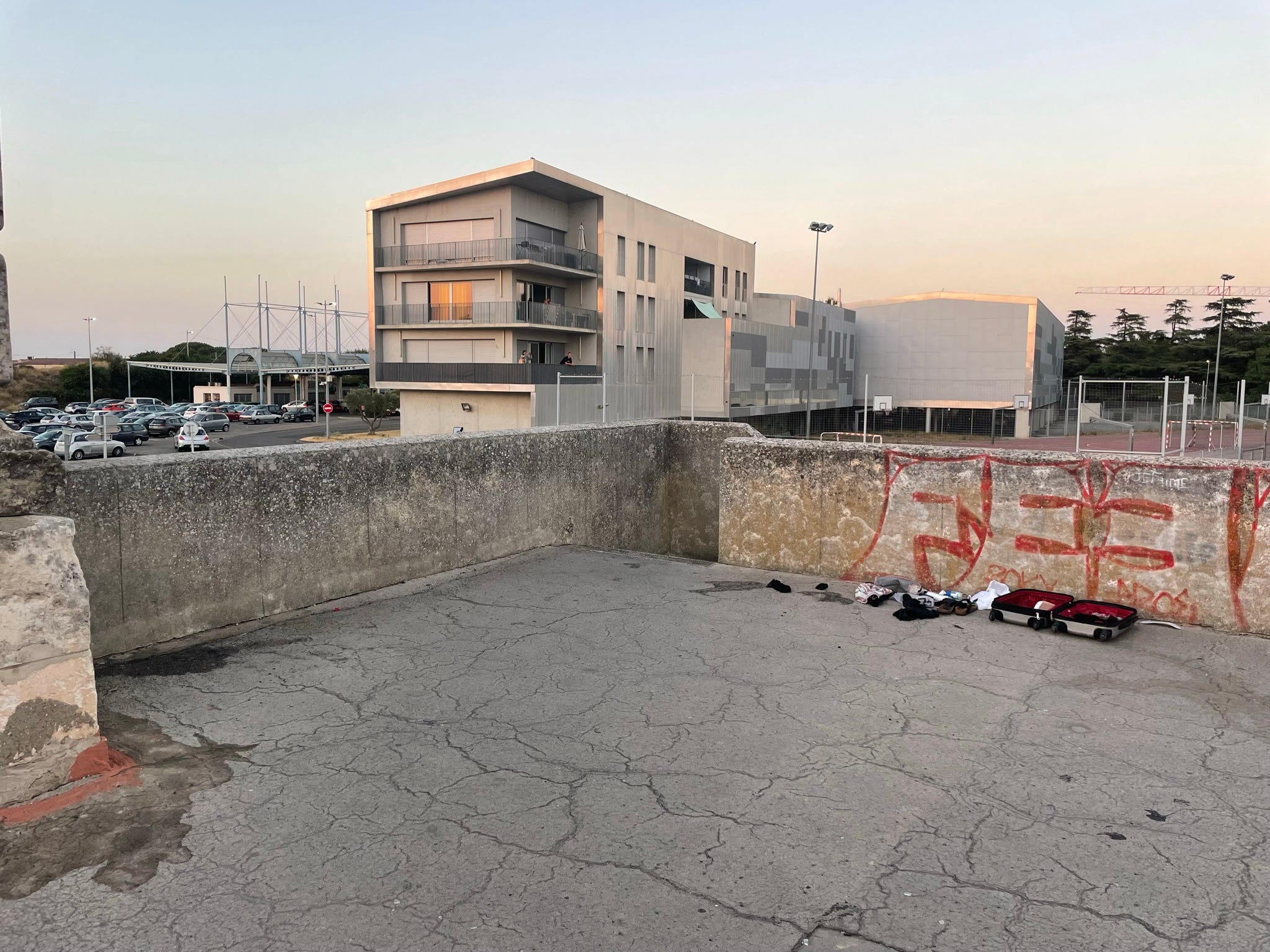
Arles continues to escape me – I spend months there and see it less than I have in a few hours, I notice vulgar, functional things about sewers and so on that undermine the city, more divorced from its suburbs (non-existent in the Pound years) than any place I’ve seen, even in Paris, the people elude description beyond platitudes about the south. And that simply must be survived – she cannot be blamed for broken furniture, the factory in Tarascon, mosquito spawning grounds to the south and the unfilled ditches that ring her. Arles is in fact quite beautiful, her disrepair an attractive part of it, the uneasy tripod of Rome – Church – Crown fighting in the square against a backdrop of Lebanese panhandlers and ageing Provençal ice cream salesmen. But however pretty she appears, she remains a closed book, or perhaps a blank pamphlet.
Omnia vincit olor (stolen without conscience): Arles is attacked by two smells – one that boils up from the sewer system, a mess that dates back to the Gallo-Roman era, and another that attaches itself to fogs, is especially present late at night, and blows down from the paper recycling plant just outside Tarascon. The first is unpleasant but low level, whereas the paper-smell can sting your eyes to tears and makes open windows a cruel joke. Both seem to be worse in winter, which I suppose is a mercy. On a ludicrously high percentage of days, about 10% of the French population is dragged into traditional clothing to perform passeos and other costumed re-enactments, day-trippers rule tyrannically over the centre, not without reason: the church and its cloisters are remarkable and the town is beautiful, not as superlative but an everyday function.

Arles can give a false impression: the name suggests a Spanish broadness, its southern Boulevard des Lices implies wide streets, bull running, and sunglassed beaufs on terraces. All these things exist, but are more proper to Nimes or Beaucaire than Arles, best understood in the redeveloped fishermen’s quarter of La Roquette. The houses emit a yellow glow, and a nonsensical street pattern allows you to walk an age in a narrow bounded area. Most windows are left open and you see the terribly decorated living rooms.
Pound said it was the place that made the people; around half of them are Marseille racaille overspill, living in suburban apartments in Trébon or Barriol, the others either in the old centre he visited or at Trinquetaille, which was where the rich had their villas in Constantine’s time. Today, it’s a pleasant French suburb, but it isn’t really Arles, an imposition of Provence on the wrong side of the Rhone. Just beyond Trinquetaille you cross the Petit Rhone and into the Languedoc at Folques, where Peire Castelnau was killed by some knights from Saint-Gilles.
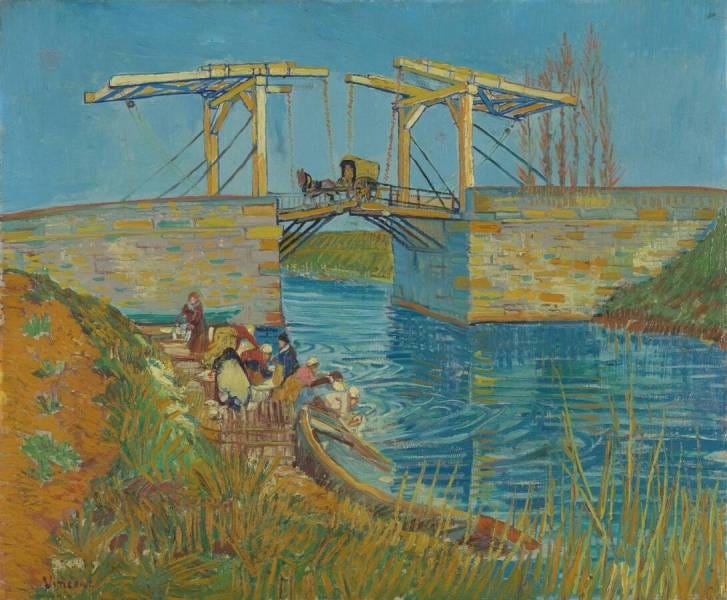
Pound stayed in the Hotel du Forum, on a square now mostly known for its portrayal in the Van Gogh Night Café painting, and though the logo has changed and they no longer use the headed paper Pound’s notes were written on, the name and signage persists. The square is filled with chairs from April until about October when it suddenly clears out; even the tobacconist reduces his hours in winter, a man with a disturbingly convincing impression of the Cumbrian accent: Kendal mint cakes with face contorted. Can I have my change please, I replied, coolly. Pound’s poem about a tobacconist – a dreadful one – predates the trip and I am sure he imagined it in Paris. Sieburth tells us Ez corrected the proofs of Psychology and the Troubadours while staying in Arles; this book, or at least its title, seems to have been an attempt in the vein of ‘platinum catalyst’ to use garbled scientific language to make his work sound contemporary; unfortunately this habit is still with us.
Arles still has its niche in literary life, with Actes Sud maintaining a large bookshop and café there, though the original headquarters is in Marseille. The city is, in so far as its size allows, a more thriving metropolis than you would expect and yet; swamp. Flies and swamp. Nothing for miles but rice and bulls. An aqueduct, if you walk a few hours to the hills.
Every few weeks, and at least once a week in summer, gypsies hold weddings in the town square. They pay red-jacketed men to bang drums repetitively, gather outside an old car, then make a sort of whooping gargle together; eeeeeyaaaooopop. The louder ones let out little trilling screams, and eventually the bride and groom force their way out from the town hall to much elation. Weirdly, the drummers always stay behind, even after all the guests have left, playing by themselves – I fear for pleasure. The church, despite its position next to the town hall on the square, doesn’t get a look in.
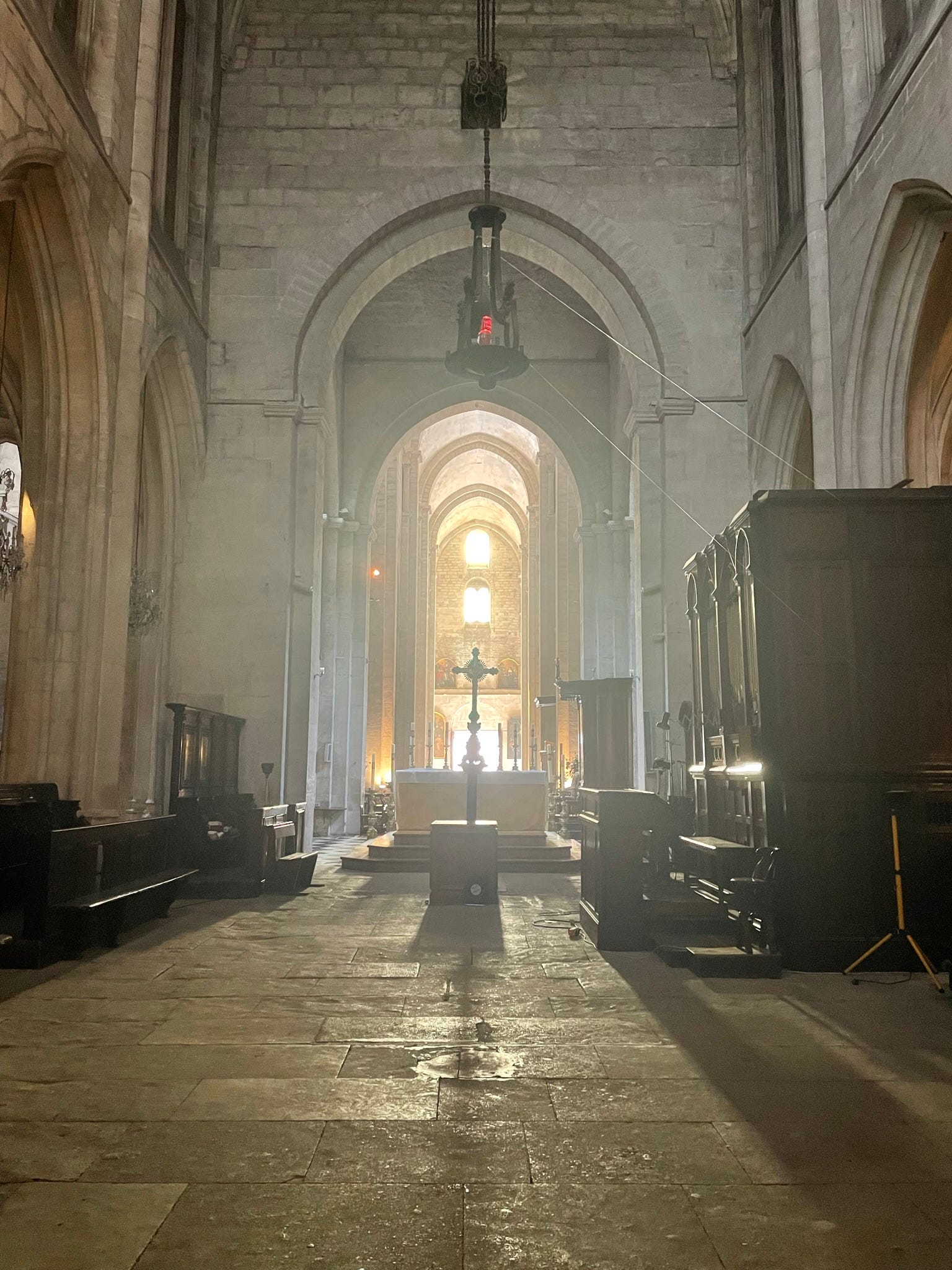
St Trophime has four white priests under 40, something unfamiliar to my Church-Catholic primary school complex upbringing, but perhaps buoyed up by the presence of so many relics they retain a thriving practice. Administratively the church is no longer a cathedral, though this was once one of the most powerful archbishoprics, the revolution (which transformed the church, as with so many others, into a Temple of Reason) a convenient excuse to acknowledge Arles’ relative decline since the Renaissance. These temples were – forgive me – more reasonable in Paris, where most of the churches since 1700ish have the thinnest of Christian veils over their neo-Greek designs, but St Trophime is militantly unenlightened. Ironically it preserves something closer to classical proportion than either the Madeleine or any of the gothic ‘piles’; I feel sick whenever I see a flying buttress.
No, talking about a renaissance in Arles is not ridiculous – Provence has as much to do with Genoa as with France, and in another world, perhaps a better one, there would be a single state from Tuscany to Barcelona. Pound is not wrong to highlight St. Trophime in the usury cantos; this is the most perfect church in France, I suspect the world when taken with its cloister and the archbishop’s palace next door. Nothing is overwrought, the gothic is basically absent aside from a few late completions. Notre Dame (at least before its reconstruction), visibly smells, you can just tell the people who built it were miserable.
Not so with St. Trophime: there is a lot of Cabestang in the portal, which shows classic bloody scenes from the nativity and Old Testament, the massacre of the innocents and final judgement, heaven stage right and hell on the left (the snake-bodied, bare-breasted woman visible from my window represented luxuria). These gory details dismayed Van Gogh, who thought it Chinese, others claim Hindoo, the distorted figures with giant hands and drooping faces perfectly placed to illustrate T. E. Hulme’s point about pre-Humanist Europe. Despite all superlatives I must point out its state of preservation is suspicious, new mortar in soft, matte grey.
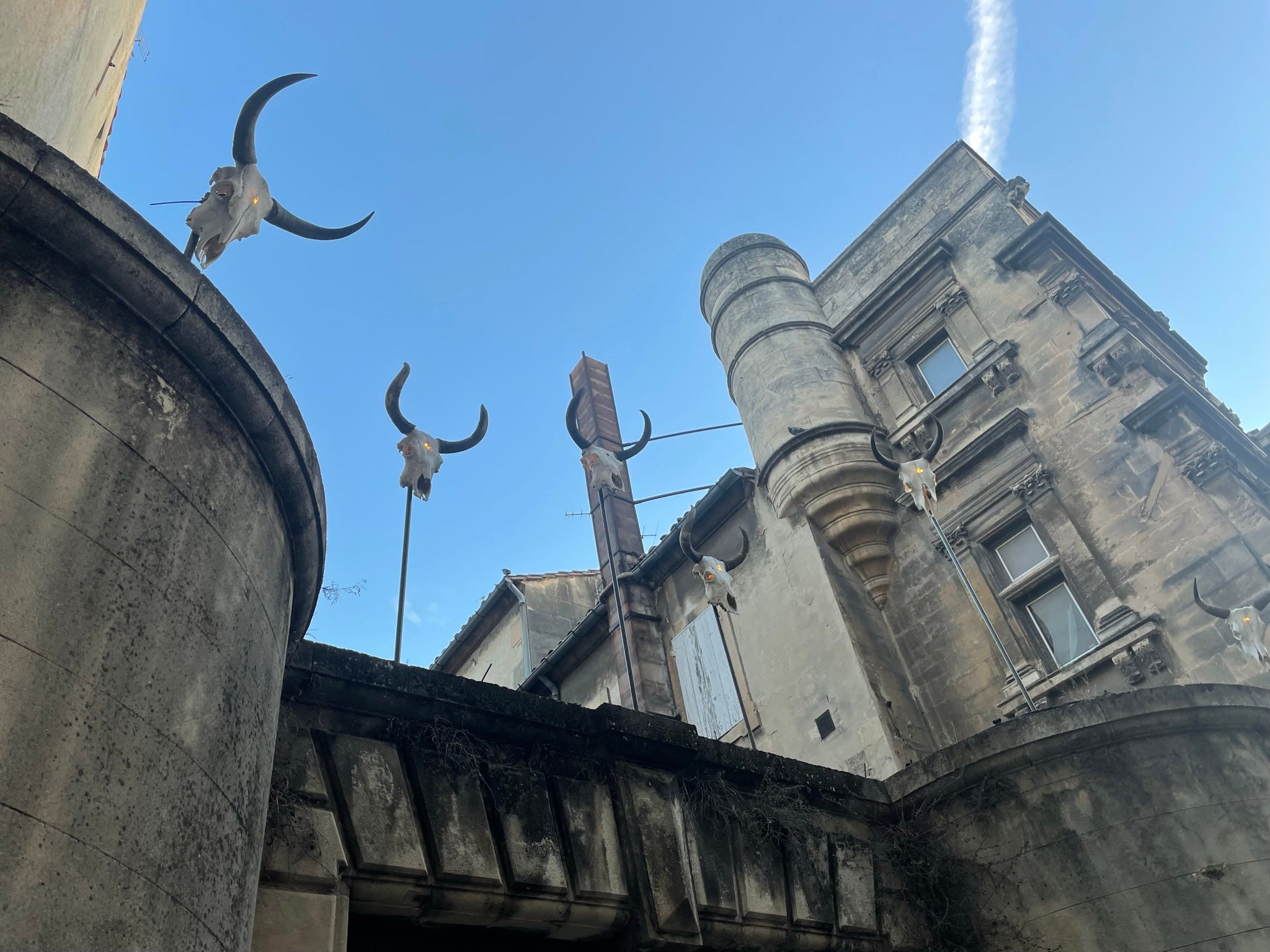
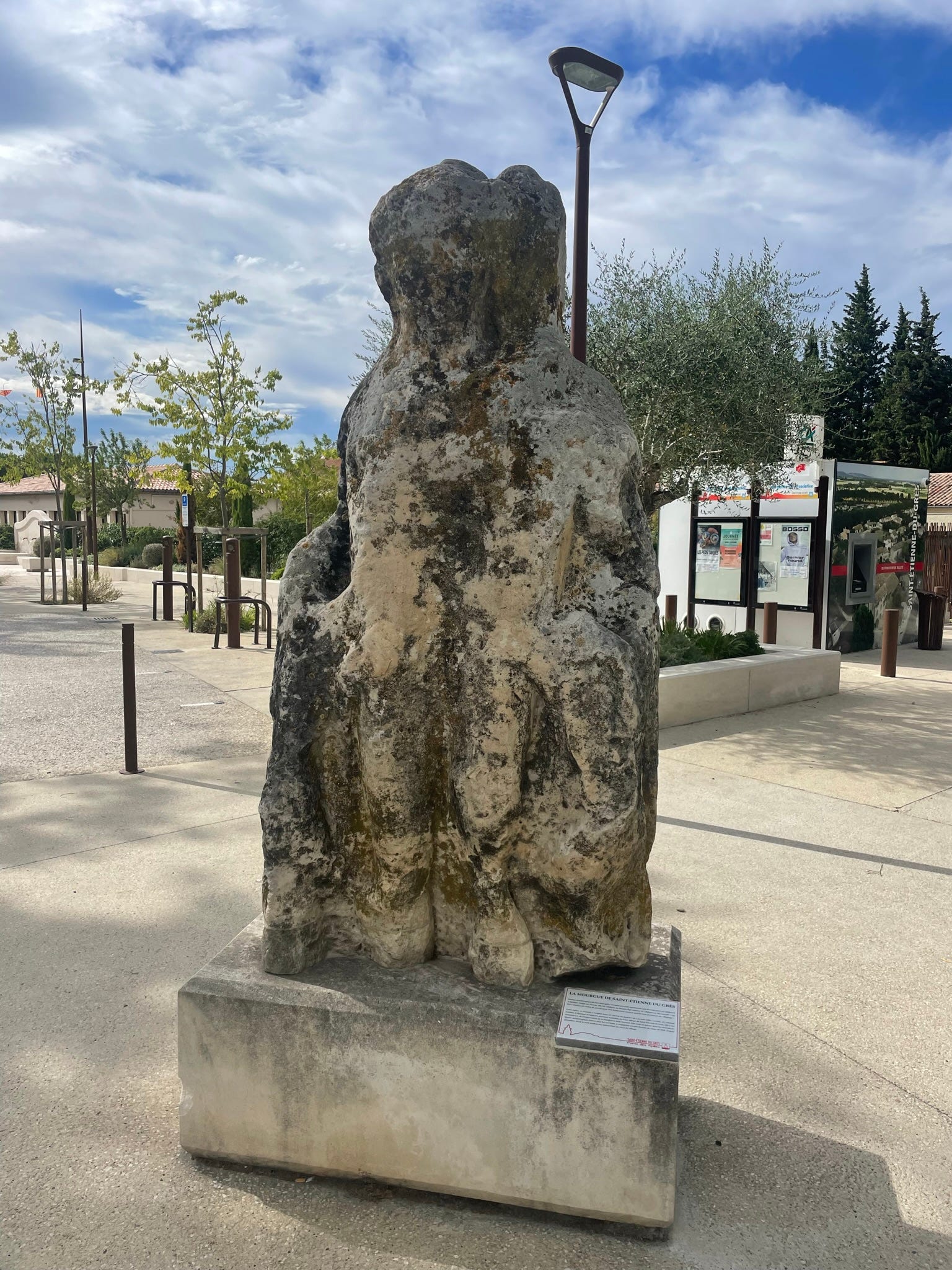
The entire city forms a backdrop, something normally only seen in villages or much larger towns. Somewhere on the church there is a little signature, but I never saw it. If you’d like to go like hunting for them; BERTR and GIL did the old chapel on the road to Tarascon, near the Celtic goddess statue; STEFANUS St. Trophime, a PETRUS something else in Arles, possibly the one by the river, PONCIUS St Honorat, and up at Carpentras there is an VGO. Inside St. Trophime, a few sarcophagi from Alyscamps (what a place to hold a witches sabbath! remarks Ez, in one of his ‘t-shirt’ ejaculations) have been repurposed as altars, including a striking one of Moses parting the Red Sea. Alyscamps itself, a Roman graveyard in the south of the city, like everything here immortalised by the Dutch painter, is used in a torchlit Good Friday procession that made up for a year’s worth of farcical passeos. The whirl of the rotary organ is never far from the view of St. Trophime in high summer.
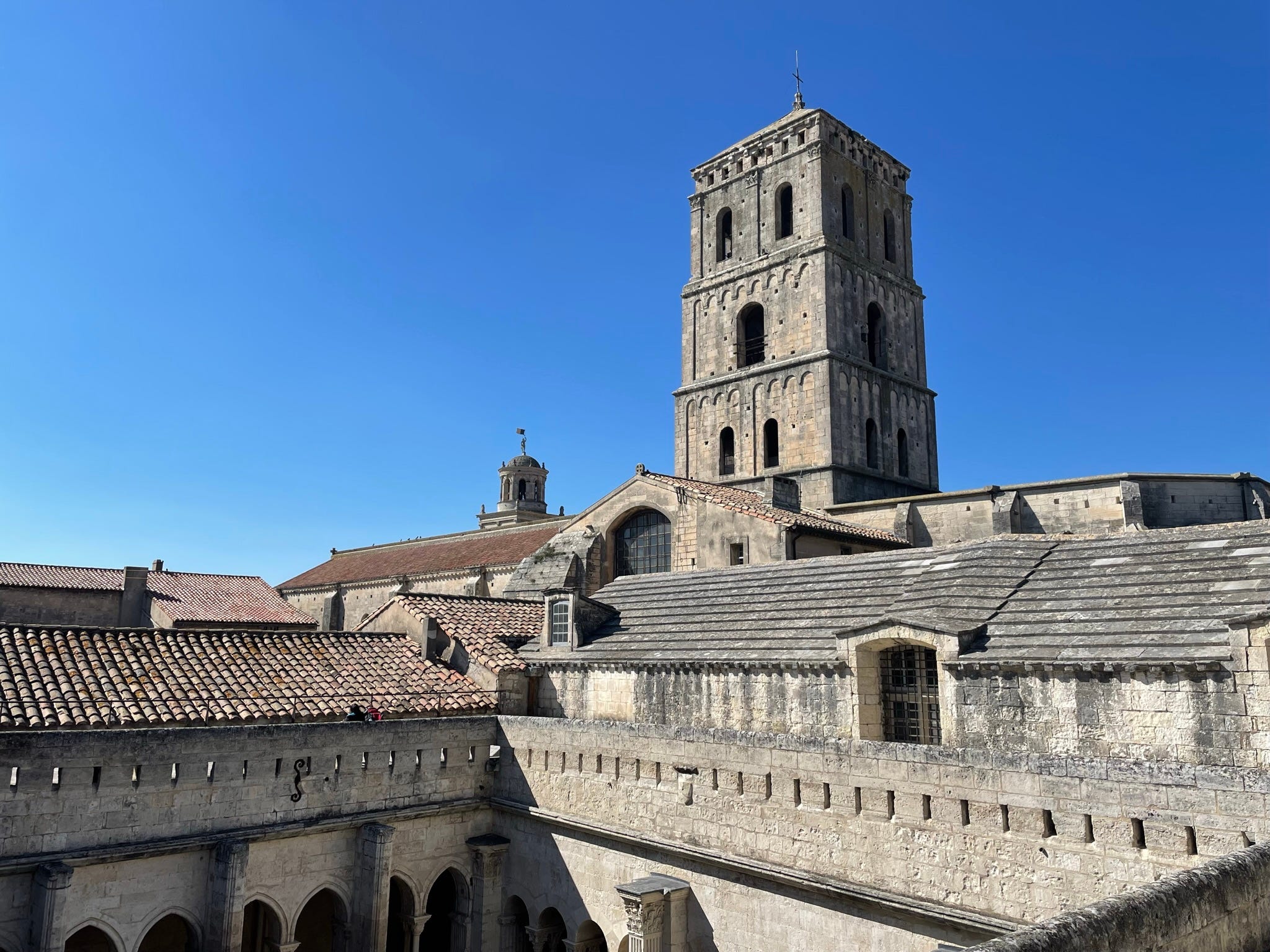
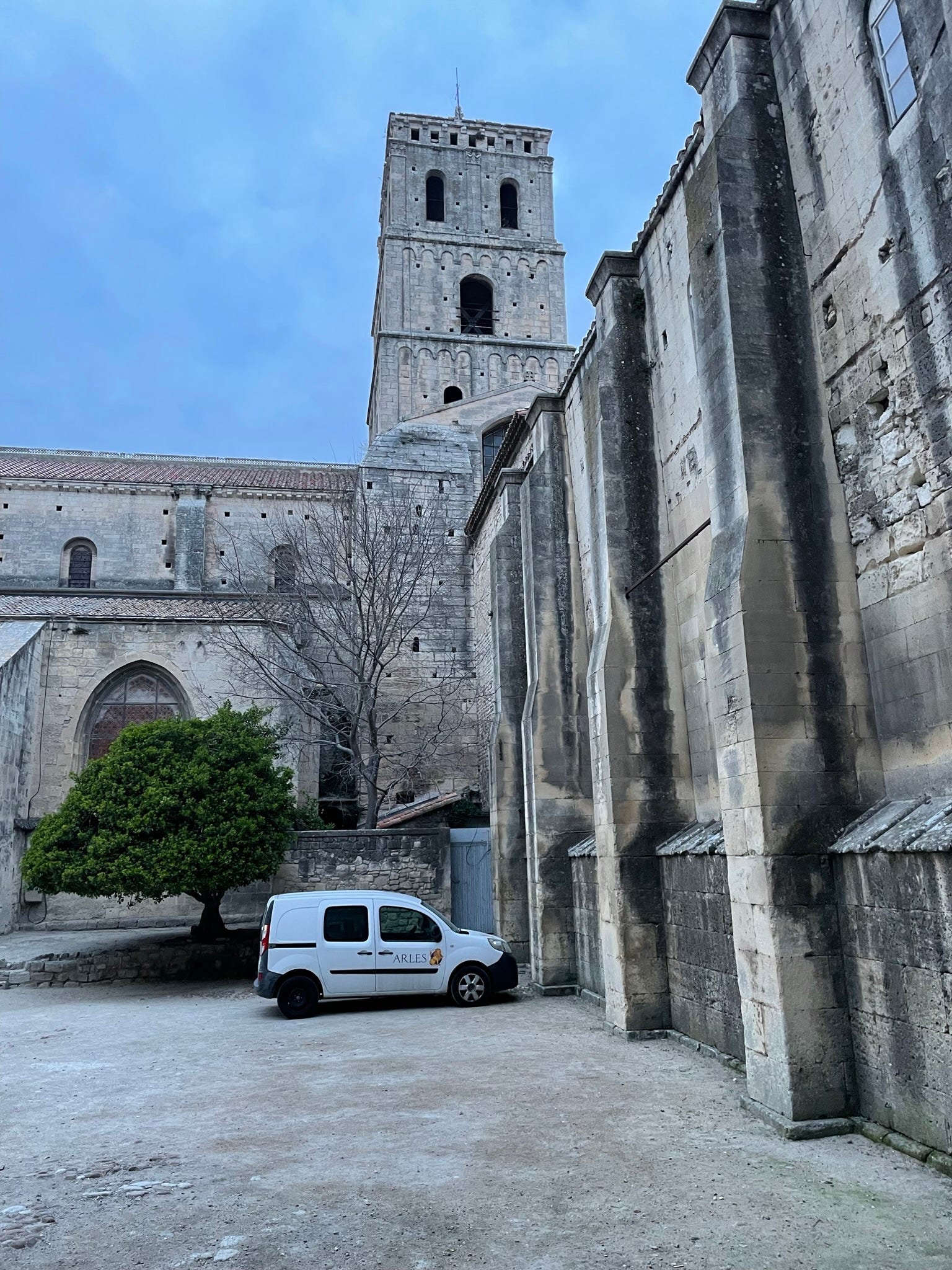
Next to the church, fronting onto the Place de la République, the archbishop’s palace forms a fine courtyard through which you enter the cloisters. These cloisters recur in the Cantos (Neither Ambrogio Praedis nor Angelico / had their skill by usura / Nor St Trophime its cloisters / Nor St Hilaire its proportion / Usury rusts the man and his chisel / It destroys the craftsman, destroying craft, etc.) but it was the archbishop’s courtyard that sold me on Arles, the high view over the tower of St. Trophime a pleasant jumble of council maintenance lorries, mediaeval piety, and ecclesiastical excess. Pigeons nest in small gaps in the stonework, you can watch entire soap operas if you sit long enough, and throughout summer, swallows dance forgetfully in the sun, s’oblid’ e·s laissa chazer. Started shortly after the church and finished a few centuries later, the cloisters include various carvings, among the most striking: Christ showing his wounds to Thomas, an unknown saint with an immense dome-like skull mourning over a book, and a carving that is allegedly the Queen of Sheba but I suspect depicts Mary receiving the immaculate conception via her ear, as per Cathar tradition.
The early church was highly active in Arles during the Roman period, doing what the early Church did; condemning various heresies, excommunicating actors, banning participation in sports and so on. The first council of bishops held in the Western Empire took place here in 314 and produced many of the above idiocies. Arles has a uncertain position in the troubadour era, already a declining city despite immensely expensive construction work on the part of the Church. Technically a part of the Holy Roman Empire, Arles was controlled by the House of Baux, whose Guillem was the friend and patron of Raimbaut Vacqueyras. He positioned himself as an ally of Simon de Montfort and was slaughtered by the people of Avignon in revenge. Provence’s loyalties are unclear throughout the crusade: the archbishop of Arles was a strident supporter of Raymond VII, aiding the negotiations for his reconciliation with Rome, a slow ecclesiastical farce against the backdrop of inquisition and slaughter. But the Provençals are free of the resentful myth of French dominance, though the modern language is even more absent than Occitan is further west. At some point in the Renaissance, Arles must have become rich again, as to this era date many of the most beautiful, now decaying townhouses with gardens, saints protruding from their alcoves and stones of unknown provenance sticking out into the alleyside.
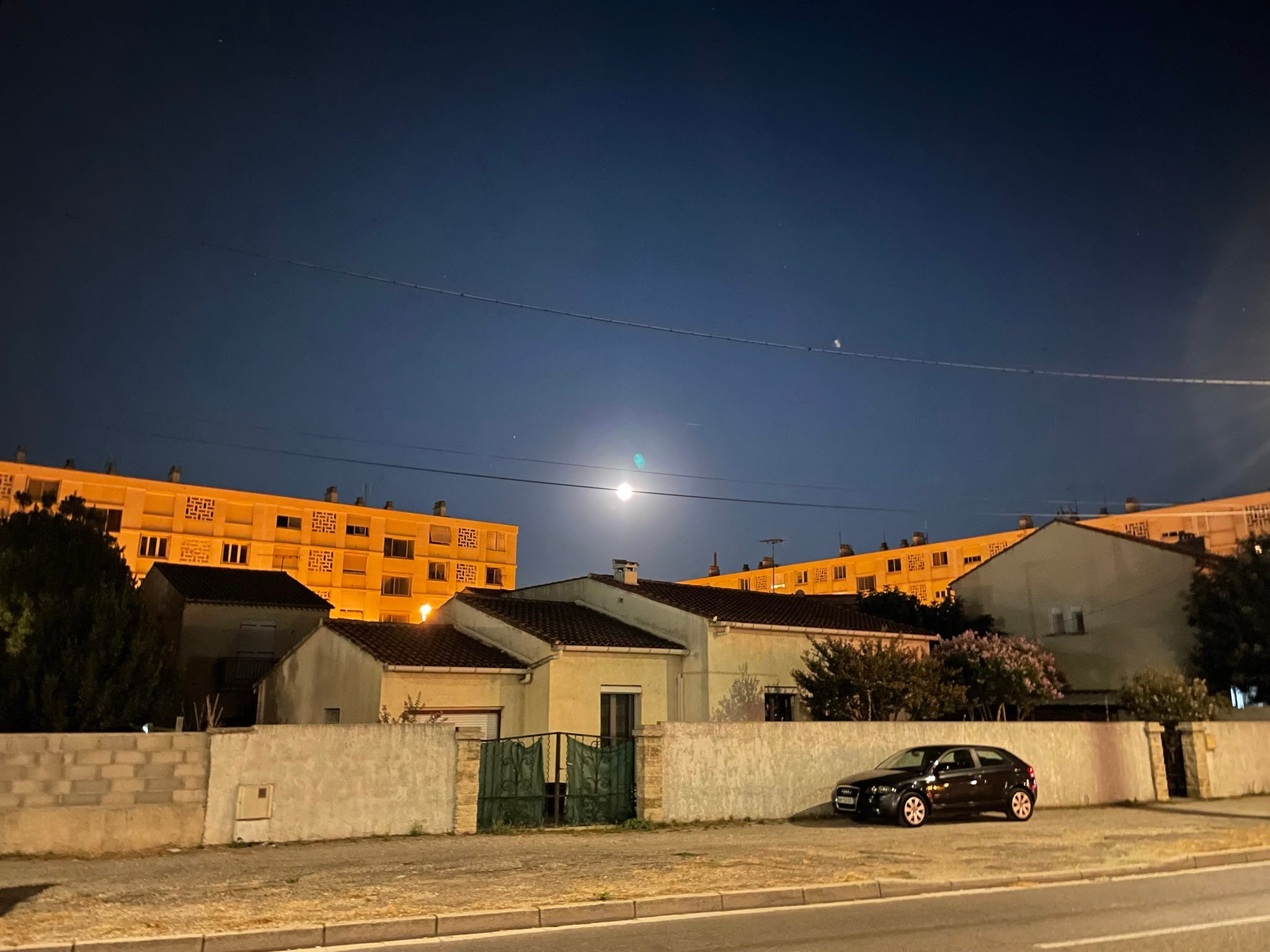
Arles got a stay of execution, or I did, when I left a bag of laundry at the SpeedQueen on one of her few unpedestrianised streets, and couldn’t take my train to Paris. In so far as there is a ‘real Arles’, it is the retail parks on the edge of town, the French (especially southerners) suit supermarkets and have turned the American mall into something immeasurably superior. But Arles, like most of the south, exists today in a car, much more so than by foot. The odd village still rewards the walker, less so than in the Languedoc, but Provence is a place to drive in; in this, as Ez points out somewhere, it is Italian.
In my carless year there, I didn’t visit a single one of the Three Sisters abbeys, not even the Thoronet in Var where Folquet de Marseille was abbot, before his promotion. I only went to the Musée Réattu in my last week, and never made it to the Arletan, its little exposed section of Roman forum winking at me through ludicrously sized doors. The museums were sheer laziness but a driver would have ticked off a list of chapels and abbeys to great effect. My hire cars were mostly misused.
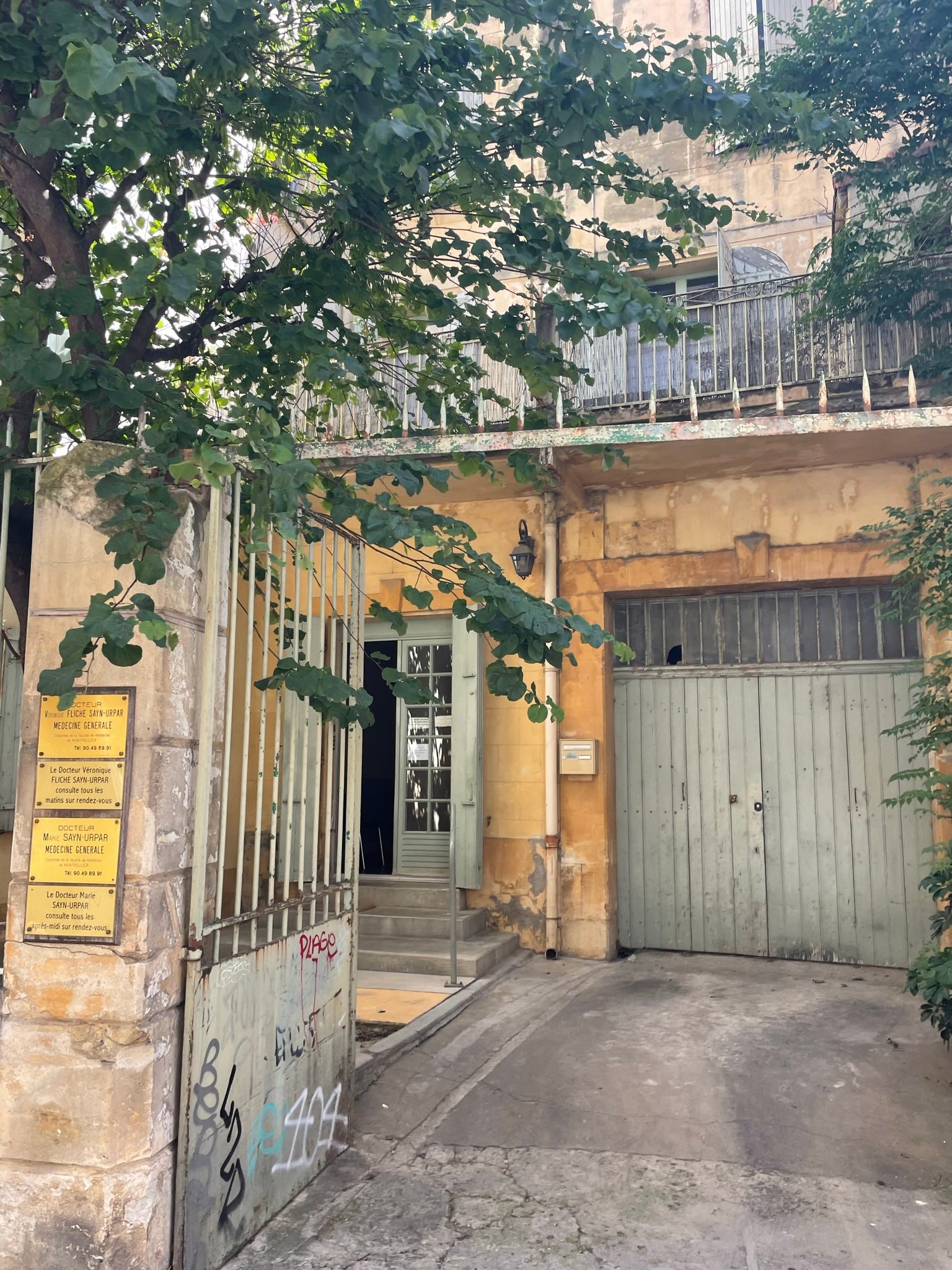
No-one is clear on why Arles has repeatedly been rich, only to sink back into obscurity. I assume Arles has been rich – just not in the 19th, 20th or 21st centuries, before. The sheer level of pre-mass production decoration and scale of her townhouses betrays it. Theatrical masks and weird animals leap out from every corner – to finish the effect, the houses are either in disrepair or contain futile business ventures. A long pedestrianised street, which ends on what was once ‘my square’, has attracted what I can only describe as Cornish hobby boutiques, but persistently low rents prevent serious contamination. None of them know why they are there, and none seem to mind. The cruel sensation – of realised joy on leaving – did not spare me. There is a yellow hummer parked in front of me. Who drives the yellow hummer? I have a yellow suitcase in the car, a yellow Brazil shirt on my chest, and I feel it. Arles had value that I failed to uncover. Or perhaps she denied it me. I wrote, ultimately, more prose than verse in the city.
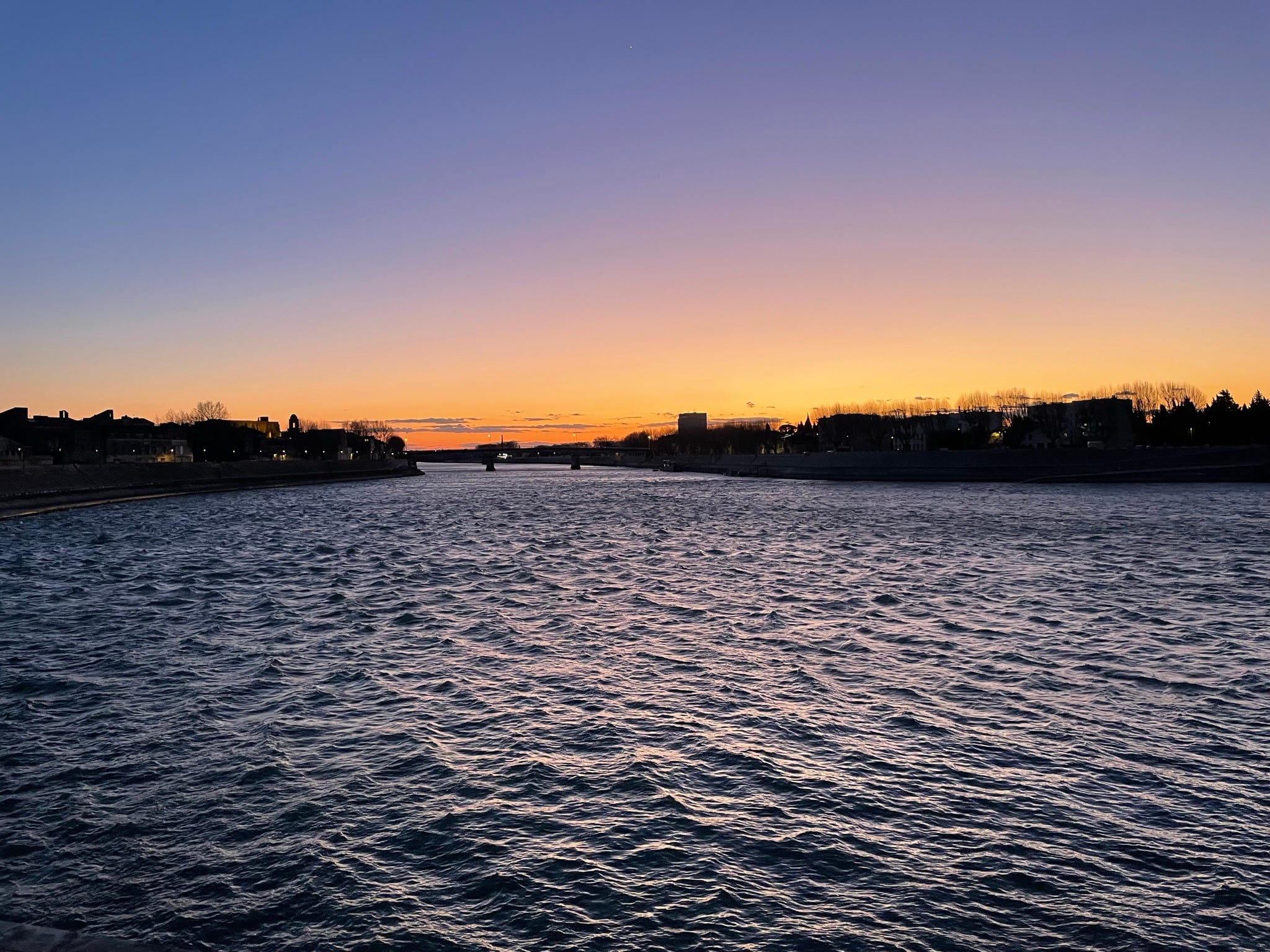
Stendhal was here, and said that nowhere spoke Provençal with more grace, all while predicting its death in a half century. It limped on slightly longer but the inevitable, at last, is upon us. When I have tried to write poems in Arles they come out vaguely pretty but mostly nonsensical. It is a place without rhythm, ove Rodano stagna, where the Rhone stagnates, thought cannot force itself into a line and dissipates. You can imagine being young here and then one day noticing you were old, time having slipped around you unnoticed. This gives a charming air to its old women but also marks the town for what it is; a forlorn outpost. Ez says it was somewhere he knew he had been and knew he would return, and he did with Dorothy on at least one occasion, but really Arles is somewhere you can only visit deliberately, the capital of a deserted region, and a swamp. I know of no town in France more excellent.